
In the realm of innovation and its privileged insights, reverse engineering is utilized as an essential procedure and is usually used to standardize items and help licensing processes.
A standout among the essential interests of the present business is to know about your rival’s work. In the event that an association needs to exceed expectations regarding the execution of their item, at that point they should know about the current items, their usefulness. To tackle this reason, they should realize its innovation by dismantling and examining. At the point when the investigation is performed over dismantled items, one can tell about the material utilized, modules present, their usefulness, and upgrades required regarding innovation to be made in building up its next and better form.
The absolute first thing that rings a bell about figuring out “is it lawful?”. When you attempt to discover its answer, you will get it yes. The United States has a Semiconductor Chip Protection Act, which assists Reverse Engineering in IC assembling and semiconductors. Comparative acts additionally exist in different pieces of world nations like the European Union, China and others. These demonstrations hold the utilization of Reverse Engineering in investigating the innovation and techniques utilized in structuring and assembling.
Types of Reverse Engineering
Reverse engineering of semiconductor-based products can broadly take several forms:
- Product teardowns – identify the product, package, internal boards, and components
- System level analysis – analyze operations, functions, timing, signal paths, and interconnections
- Process analysis – examine the structure and materials to see how it is manufactured, and what it is made of
- Circuit extraction – delayer to transistor level, then extract interconnections and components to create schematics and netlists.

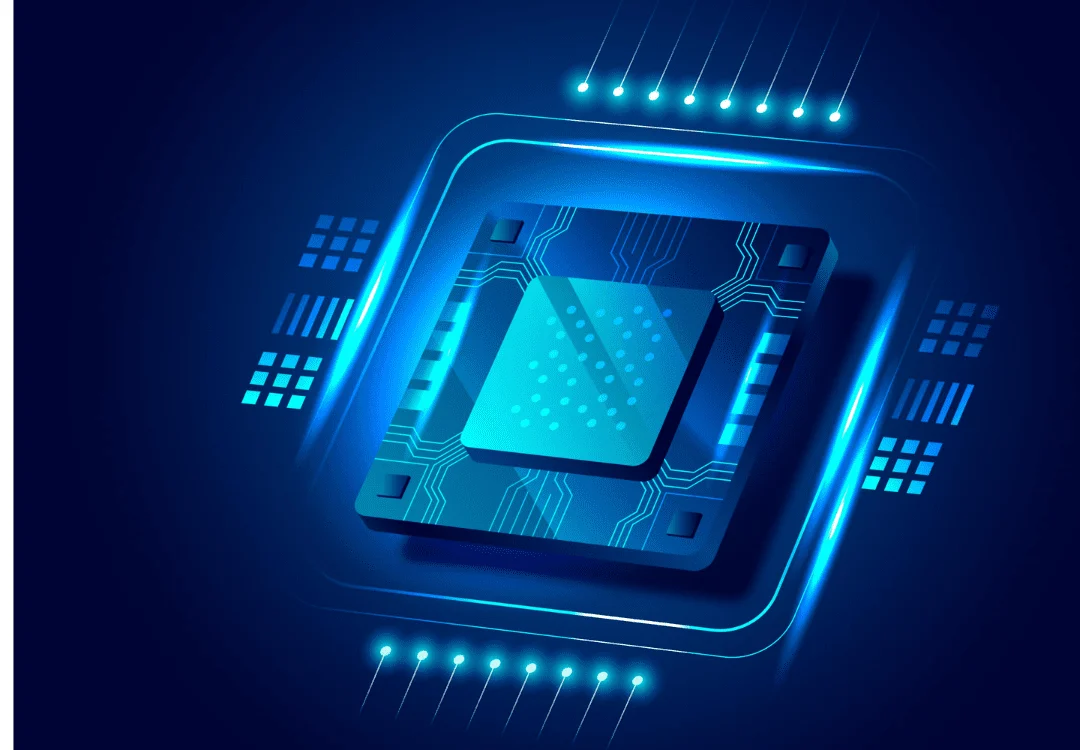
Reverse Engineering of ICs
Reverse Engineering of ICs
Send download link to: