
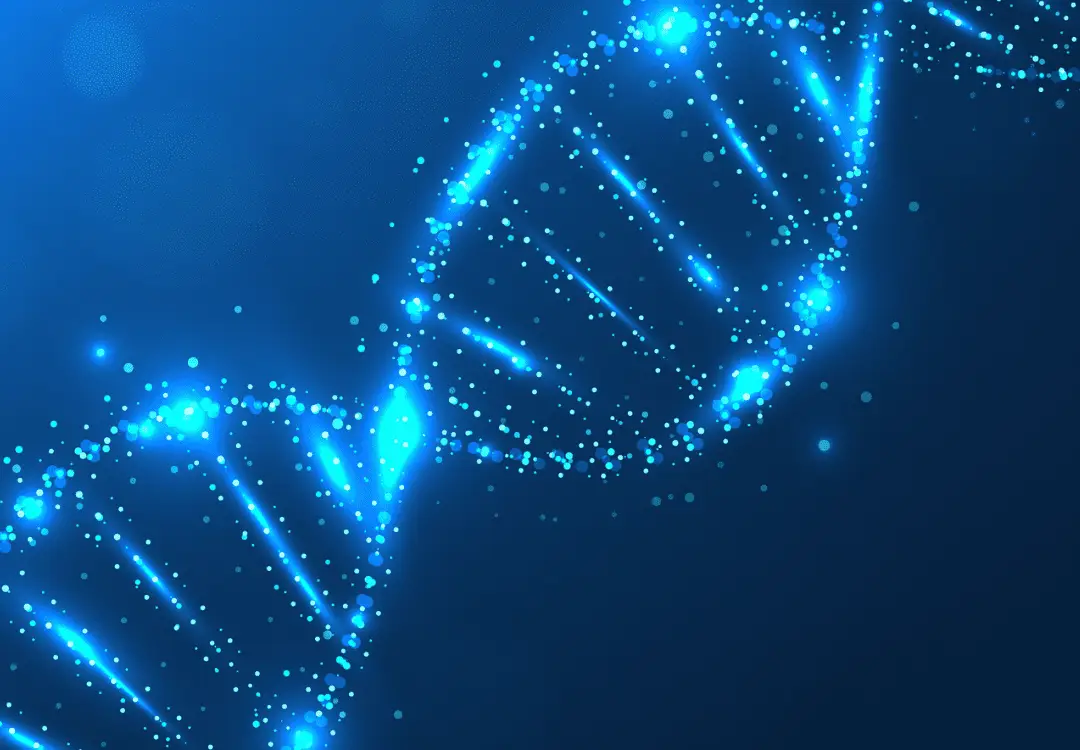
What is DNA-based storage?
Forget about the age old standard storage devices like Tape, or Magnetic Media or Semiconductor storage. They’re just spinning disks that make a lot of noise. These storage devices have a limited life span. DNA is so flexible that it can be used to create everything from an amoeba to a human, a dinosaur to a dandelion, and so small that the strands required to create all these life forms can be fitted into a single cell, a few micrometers large. DNA lasts for centuries if kept cold and dry. It could, in theory, pack billions of gigabytes of data into the volume of a sugar crystal.
Where has the world reached?
In April 2016, Microsoft Research ordered 10 million strings from Twist Bioscience, a DNA synthesis start-up company in San Francisco, California. How did Microsoft do it? Microsoft first translated the 1s and 0s into a digital DNA sequence of letters. The sequence was then given to Twist for duplicating it with synthetic DNA. After Twist copied the data, it gave the organic material to Microsoft for testing. Microsoft and researchers from the University of Washington found that all the data – including about 200 megabytes of digital documents, a high-resolution music video and artwork from the band OK Go! – was unimpaired and retrievable.
Future of Storage Device
If we talk about the market potential of storage devices, then numbers can cross our expectations. In a recent forecast by market research company Industry ARC, next Generation Data Storage Technology Market is Expected to Reach $23.11 Billion by 2025.

DNA-Based Information Storage System: Need of 21st Century –
DNA-Based Information Storage System: Need of 21st Century
Send download link to: