


Introduction
The metaverse is a virtual reality world where users can interact, play games, and have real-life experiences. It is a network of 3D virtual worlds geared on social interaction using computer game headsets and gadgets. Using metaverse, Users can immerse themselves during this world and interact with virtual objects and avatars within the visual presented in front of them simultaneously.
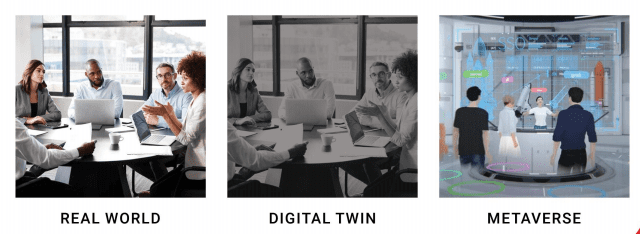
Many diverse areas are looking for ways to include metaverse into their operations and services. Businesses that have already begun to experiment with the technology are finding it to be beneficial in terms of increasing productivity, cooperation, and user pleasure in previously untapped areas.
- Healthcare
- Manufacturing
- Retail
- Education
- Banking
Key Challenges And Solutions
Hardware Selection
Currently, AR, VR, and MR headsets are prohibitively expensive for the majority of people. Mobile AR, on the other hand, does not require expensive gear and so has a higher penetration rate. Current mobile hardware sensors, such as accelerometers, are susceptible to electric interference, and mobile cameras are incapable of producing 3D images effectively. This need an upgrade that will make Metaverse technology gear both sophisticated and ready for mass use.
Law & Jurisdiction
The Metaverse is bound to attract a vast number of users, making it a terrific location to connect and exchange information, but it also puts users at risk if there are no regulations governing the limits. Identifying jurisdiction and enacting regulations to ensure that the virtual world is safe and secure for its users will be a significant task.
User Experience
For VR and MR systems, 3D human interface design is still in its infancy. Wearable Head Mounted Devices make it harder for handicapped people to go about their daily lives. For use of metaverse to become widely adopted, the design must significantly increase human interaction while also reducing eyestrain